The Provision for Autistic Learners in Primary Schools in Malta: A SWOT Analysis of Teaching and Learning
Keywords: Autism; ecological systems; SWOT analysis; Teaching and Learning.
Claire Sciberras
Abstract: This paper presents the findings of one of the themes explored in a study which aimed to identify the strengths, weaknesses, opportunities, and threats (SWOTs) related to three key themes within support for autistic learners in Maltese primary schools: teaching and learning, collaboration with parents, and educator training. Using the Ecology of Inclusive Education Framework proposed by Anderson, Boyle, and Deppeler (2014), which reconceptualises Bronfenbrenner’s Ecological Systems Framework for the field of inclusion, this paper presents the SWOT analysis of the theme ‘teaching and learning. Data was collected through a sequential explanatory research design that combined quantitative and qualitative approaches. The sample included educators working in primary schools across Malta. Findings highlight instructional adaptations, including visual supports, digital tools, and peer preparation programs, as strengths of the provision. However, weaknesses include a lack of resources, overcrowded and sensory-overstimulating classrooms, and limited teacher involvement in developing adaptations due to inadequate training. Opportunities are framed around creating quiet spaces and fostering collaboration with external specialists. Threats involve uncertainty regarding the implementation of inclusion policies and inconsistent practices. Overall, the findings underscore the importance of ecologically informed strategies that prioritise training, resources, and physical interventions to enhance inclusive teaching practices and foster meaningful participation for autistic learners.
Keywords: Autism, ecological systems, SWOT analysis, teaching and learning
‘Claire Sciberras’
Introduction
Research on how support is provided to autistic learners in Malta remains limited. An electronic search of existing published literature reveals a notable gap, with scarce data outlining the specific actions that Maltese educational institutions have taken to implement inclusive education philosophies for autistic learners. Consequently, a disengagement appears to exist between recommended policies, legislation, and evidence-based research, and the actual practices being implemented in mainstream schools. Such detachment transpires despite that inclusion has been linked to high levels of attainment for many learners, including those with autism (e.g., Cappe et al., 2021; Lindsay et al., 2014; Ravet, 2018). This disparity justifies the need to investigate the reality of teaching and learning processes for autistic learners in Malta and to identify the strengths, weaknesses, opportunities, and threats (SWOT) that impact educational provision.
A SWOT analysis as a tool is relevant to appraise the provision for autistic learners because the 21st century has inspired many organisations to engage in strategic planning since this method enables them to be more productive and acquire appropriate guidance on allocating resources (Gϋrel & Tat, 2017; Idris et al., 2022; Sciberras, 2019). Sciberras (2019) has argued that although this framework is commonly used within companies and firms to investigate their competitive impact within the marketplace to develop future concepts, this analysis structure could also be usefully applied in educational settings to inform practice. Applying the SWOT analysis tool to evaluate provision within educational settings is strongly recommended, as strengths and opportunities identified through a SWOT analysis enable the setting to achieve its objectives, thus perceived as elements which lead to constructive conditions impacting the system (Gürel & Tat, 2017). Conversely, weaknesses and threats cause obstacles to the setting or system, hindering the organisation from fulfilling its aims (Gürel & Tat, 2017).
The ecological approach, particularly Bronfenbrenner’s (1979) Ecological Systems Theory, in conjunction with Anderson, Boyle & Deppeler’s (2014) adaptation for inclusive education, provides an insightful lens for exploring the SWOTs within the provision. This reconceptualisation was deemed necessary to build knowledge and increase the understanding of the learners’ environment within this field, mainly since Anderson, Boyle & Deppeler (2014) support the notion that inclusive education is a social construct. Like Bronfenbrenner (1979) proposed, Anderson, Boyle & Deppeler (2014) believe that inclusive education relies on the relationships between individuals and the systems within the micro, meso, exo, macro and macro and chrono systems. They posit that the relationship between the five interconnected systems must be explored in any learning environment that considers the needs of all learners (Anderson, Boyle & Deppeler, 2014). Such evaluation is critical as education systems are responsible for promoting social justice through the equitable distribution of quality education to all children, hence, promoting a system based on fairness and inclusive education (Anderson, Boyle & Deppeler, 2014).
To align with contemporary preferences within the autism community, when presenting this work, it was decided to use the term ‘autistic learners’ instead of learners/students with autism. An online survey by Kapp et al. (2013), which assessed the conceptions of autism and neurodiversity among individuals with different relations to autism, demonstrated that adults with autism prefer the term ‘autistic person’ rather than the term ‘person with autism’. This preference seems to transpire since many of these adults feel that: i) autism should be viewed as a fundamental attribute of their identity (Kapp et al., 2013; Kenny et al., 2016; Shah et al., 2022); ii) the term ‘autistic’ moves away from the idea that autism is a disorder since it focuses on the notion of ‘identity-first language’ (Kapp et al., 2013; Shah et al., 2022).
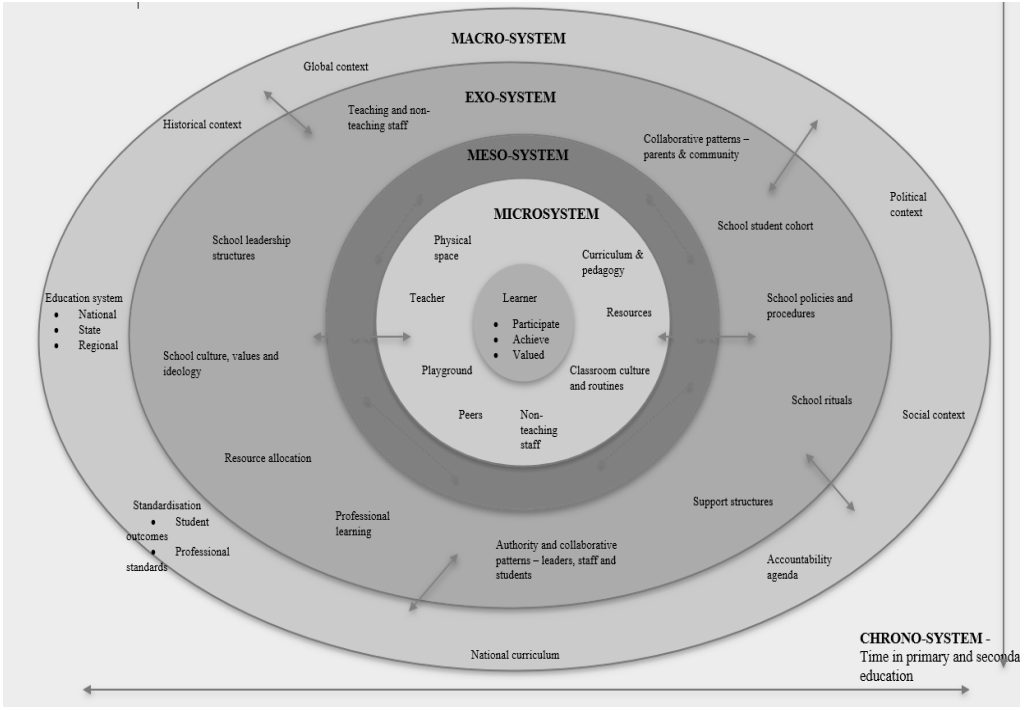
Figure 1: The Ecology of Inclusive Education (Anderson, Boyle and Deppeler, 2014, p. 6)
Literature review
Strengths of the teaching and learning process
The rising prevalence of autism globally and locally (e.g. Baio et al., 2018; Byrne, 2022; European Agency for Special Needs and Inclusive Education, 2014; Farrugia, 2013; Lyall et al., 2017; Russell et al., 2022; Sciberras, 2018; Sciberras, 2019; Tanti Burlo’, 2016; van Kessel et al., 2021), as well as legislative developments that establish children’s right to inclusive education in mainstream settings (e.g. Education Scotland Act, 2016; Ministero dell’Istruzione, 2020; Ministry for Justice, Culture and Local Government, 1988; Ministry for Justice, Culture and Local Government, 2016; UNESCO, 1994; UNESCO; 1996; UNESCO, 2005; United Nations, 2016), a greater number of autistic learners attend mainstream primary schools with educators expecting to have one or more autistic students in their class each year (Clark et al., 2020). Evidence shows that autistic students who attend mainstream school settings tend to have more innovative Individualised Educational Plans (IEPs) compared to peers who receive their education in resource centres (Kurth, Morningstar & Kozleski, 2014). With this type of IEP, learners tend to demonstrate higher levels of engagement, social interactions and resilience (Carter et al., 2017; Lloyd, 2019).
Research highlights several school strengths that support participation throughout the teaching and learning process (e.g., Clark et al., 2020; Dukpa, Carrington & Mavropoulou, 2024; Van Der Steen et al., 2020; Yazici & McKenzie, 2020). For example, studies involving educational professionals in Dutch schools have revealed that designing instruction tailored to the needs of autistic learners is a key strength (Van Der Steen et al., 2020). From the Ecological Systems perspective (Anderson, Boyle, and Deppeler, 2014; Bronfenbrenner, 1979), such adaptations occur within the microsystem, enhancing participation and engagement. This relationship between individualised instruction and active participation emphasises its critical role in supporting the development of autistic learners. Longitudinal research conducted in Australia, involving 87 teachers, highlights key practices for adapting instruction to meet the needs of autistic learners (Clark et al., 2020). These adaptations primarily include modified or alternative assessments (74.7%), slower-paced instructions (67.8%), and simplified language (58.6%) (Clark et al., 2020). Additionally, a study conducted by Yazici & McKenzie (2020) found that step-by-step instructions are recognised as critical for supporting gradual learning. Despite their slower delivery, they enable autistic learners to progress at their own pace (Yazici & McKenzie, 2020).
Considering individual learning preferences is also considered essential for the provision of autistic learners. Research shows that autistic learners generally possess strong visual processing skills, making visual supports highly effective in their learning. Visual aids, such as flashcards, pictures, and schedules, help facilitate understanding, improve communication, and expand vocabulary (Ayuningtyas et al., 2021; Cooper et al., 2022; Curtin & Long, 2021; Dyer, 2022; Grandin, 1995; Santos, Breda, & Almeida, 2017; Yazici & McKenzie, 2020) as these provide structure, predictability, and clarity about routines and upcoming activities thus reducing anxiety and emotional distress, especially during transitions (Alsaedi, Carrington &Watters, 2020; Benallie et al., 2021; Demetriou, DeMayo & Guastella, 2019; Fatima, 2019; Lindsay et al., 2014; Tynan & Davy, 2021). Tangible objects such as manipulatives are also widely used to teach concepts such as counting, measurement, and problem-solving. These physical resources support the understanding of abstract concepts and promote generalisation and engagement by translating intangible models/practices into tangible forms (Bassette et al., 2019; Goñi-Cervera, Cañadas, & Polo-Blanco, 2022; Jimenez & Stanger, 2017; Marley & Carbonneau, 2014). Empirical evidence suggests that tangibles help improve executive functioning, particularly in areas such as problem-solving and generalisation (Dijkhuis et al., 2020).
The integration of digital tools has also become increasingly prevalent. Educators utilise educational software, applications, and tablets to support learning in literacy, numeracy, and other domains. Most teachers and Learning Support Educators (LSEs) report that digital resources are used extensively, with students spending over half their classroom time on these applications (King, Brady, and Voreis, 2017). Digital technology facilitates independence, motivation, and skill development, with research showing positive effects on academic, social, and behavioural outcomes. Despite some concerns about overuse leading to fixation, research suggests that, with proper management, technology can have a positive impact on participation and learning outcomes (Yazici & McKenzie, 2020).
Support strategies also include the use of peer interventions such as buddy systems and peer preparation programmes (PPP). These foster social skills, empathy, inclusivity, and acceptance, benefiting both autistic learners and their neurotypical peers (Hersh & Elley, 2019; Lindsay et al., 2014). Such approaches help autistic learners build relationships, gain confidence, and navigate social environments more effectively, contributing to their overall participation and integration within mainstream settings. Further to the current strengths in teaching and learning, support within the classroom for autistic learners includes the implementation of peer support. Peer support strategies have been demonstrated as a current strength in supporting autistic learners, particularly in the effective teaching and learning of social behaviour and promoting social skills for these learners (Crompton et al., 2022). For instance, in one study that gathered data from 120 education professionals in Poland, introducing a buddy system in classes was seen as a current advantage by questionnaire participants (Hersh & Elley, 2019). Participants in this Polish study felt that this system was beneficial for autistic learners in acquiring the necessary social, behaviour, and academic skills (Hersh & Elley, 2019). These participants highlighted that this system was currently deemed successful, as even neurotypical learners understood the “sense and the needs of such a system” (Hersh & Elley, 2019, p. 124), thereby promoting further inclusion of autistic learners. Programmes like the PPP, which focus on autism awareness and acceptance, help neurotypical peers recognise commonalities and differences, encouraging empathy and proactive support within the classroom and playground (Hodges et al., 2020; Xuereb & Lawson, 2019). These approaches collectively enhance social, behavioural, and academic outcomes for autistic learners, reinforcing the importance of inclusive peer interventions. Inclusion is necessary, as while a good quality education is paramount for learners, including those with autism, a good quality inclusive education is optimal (Russell, Scriney, & Smyth, 2022).
Furthermore, the role of school leadership is crucial. Evidence shows that support from Senior Leadership Teams (SLT) significantly improves inclusive practices (Hodges et al., 2020; Iadarola et al., 2015; Lüddeckens, Anderson & Östlund, 2022; Symes & Humphrey, 2011). Heads of Schools (HoS) who promote a child-centred, non-discriminatory ethos and actively support resource allocation, policy implementation, and staff training substantially enhance the participation and achievement of autistic learners. Support at an organisational level, although at an exosystem level (Anderson, Boyle & Deppeler, 2014), ultimately influences daily classroom practices and supports more inclusive educational environments.
Weaknesses of the teaching and learning process
Despite its critical importance, a significant barrier to effectively supporting autistic learners is the lack of resources, which many educators perceive as a core issue. Roberts & Simpson (2016) found that educators often feel ill-equipped due to a lack of sufficient resources. Such concern has consistently been echoed across studies in Ireland, Australia, France, Lithuania, Vietnam, and Turkey (Anglim, Prendeville & Kinsella, 2017; Cappe et al., 2021; Hodges et al., 2020; Leonard & Smyth, 2022; Raudeliūnaitė & Steponėnienė, 2020; Van Tran et al., 2020; Yazici & McKenzie, 2020) whereby findings indicated that resources such as fidgets are often absent. Lindsay et al. (2013) and Silveira-Zaldivara & Curtis (2019) highlight that educators frequently spend personal time and money to obtain materials, such as pens, paper, stickers, or manipulatives, which are crucial for instruction. These resource deficits hinder ongoing adaptation of teaching, limiting participation, progress, and the development of skills essential for independence.
Research by Hersh & Elley (2019) further highlighted that a lack of specialised staff was linked to funding shortages, leaving educators feeling anxious, stressed, and burnt out. Very often, these educators question themselves about whether they are effectively implementing their strategies (Ballantyne et al., 2022; Cappe et al., 2021; Dillenburger et al., 2016; Güleç-Aslan, 2020; Vincent & Ralston, 2020). Without external expertise, educators risk reinforcing existing practices rather than innovating, which diminishes the overall quality of education, participation, achievement, and personal growth for autistic learners (Cappe et al., 2021; Leonard & Smyth, 2022; Raudeliūnaitė & Steponėnienė, 2020; Roberts & Simpson, 2016).
The physical learning environment further presents challenges. The space within classrooms significantly impacts the participation, behaviour, and development of autistic learners (Anderson, Boyle, & Deppeler, 2014; Che Ahmad & Ghazali, 2017). Educator participants in the study of Hersh & Elley (2019) expressed frustration that conditions surrounding autistic learners are often unfavourable, explicitly citing the inability to create quiet, calming, or sensory-friendly environments needed to reduce overwhelming stimuli. Raudeliūnaitė & Steponėnienė (2020) linked unfavourable environments to increased stress, fear, and insecurity among teachers, while Jones, Hanley & Riby (2020) reported that classrooms with high levels of stimulation, such as bright displays, hanging objects, and noisy surroundings, very often overwhelmed autistic learners. Consequently, this reduced their active participation and learning effectiveness. Teachers in Turkey and South Africa echoed these concerns, noting that overcrowded classrooms make it difficult to provide individualised support or teach crucial social skills, especially given their importance in developing social communication (Güleç-Aslan, 2020; Gulveren et al., 2022; Nthibeli, Griffiths & Bekker, 2022; Shaari & Ahmad, 2016). Overcrowding and sensory overload thus hinder classroom performance and developmental progress for autistic learners.
Another prevalent issue is the unclear role of support staff, especially that of LSEs. Fisher & Pleasants (2011) reported that many LSEs tend to become the primary instructors for autistic learners, often due to teachers’ lack of training and clarity on roles, which results in teachers relying heavily on LSEs to deliver instruction or develop adaptations. Similarly, Carter, Stephenson & Webster (2019) found that many teachers and LSEs perceive that adaptations are often made without proper guidance or collaboration, and that in practice, support roles are shifted or confused. This dynamic contradicts the principles of inclusive education, which advocate that adaptations should be supplementary and not exclusive or primary to teachers’ responsibilities (Breyer, Lederer & Gasteiger-Klicpera, 2021; Giangreco, 2013). Further, narratives from studies conducted in the U.S. reveal that teachers and support staff sometimes experience situations where teachers referr to autistic learners as “your kid” or “my kid,” which reflects a lack of understanding and collaboration (Holmes & Butcher, 2020). Pre-service teachers also report uncertainty about who supports transition practices for autistic learners, often placing this responsibility solely on support staff rather than integrating it into classroom planning (Jellinek et al., 2022). As a result, the core principles of collaborative, team-based support outlined in inclusive education frameworks are often not fully realised, impeding the learner’s participation, social development, and attainment of educational goals.
Opportunities for the teaching and learning process
Modifications to the physical environment of schools are essential factors influencing the quality of teaching and support for autistic learners. According to the Ecology of Inclusive Education framework, the physical space resides within the child’s microsystem, i.e. the immediate environment where they spend time, which can potentially impact participation and achievement (Anderson, Boyle, & Deppeler, 2014). However, adapting these physical spaces involves developments in other systemic levels, particularly the exosystem, which includes resource allocation and school routines. For example, if school administrations allocate funds to create autism-friendly classrooms (exosystem), this directly benefits the child’s immediate environment (microsystem). Consequently, classroom designs can either facilitate or hinder learning for autistic learners (Jones, Hanley & Riby, 2020). Such physical environments mirror the school’s inclusive mindset, influencing how effectively teaching and support happen.
Environmental supports that promote better provisions for autistic learners include the creation of “sanctuary” or sensory rooms and quiet spaces designed to reduce sensory overload (Roberts & Simpson, 2016, p.1093). Sensory sensitivities can cause significant difficulties in concentration and behaviour, and thus a sensory room offers a calming environment that can serve as a “safe place” (Bolourian et al., 2022; Hersh & Elley, 2019). Participants in studies from the U.S. (Bolourian et al., 2022), Poland (Hersh & Elley, 2019), and Ireland (Leonard & Smyth, 2022) agreed that such spaces provide predictability, security, and help mitigate sensory processing challenges, allowing autistic learners to regain focus.
Despite the potential benefits of quiet zones within classrooms, some educators in Turkey (Güleç-Aslan, 2020) recommended outside resource rooms for autistic learners, highlighting alternative solutions. Such spaces, like “lights rooms” or “multisensory rooms”, are seen as opportunities to enhance inclusion but also raise concerns about segregation. Observations from Bhutan reveal that most autistic learners are taught in self-contained resource rooms during much of the day (Dukpa, Carrington & Mavropoulou, 2024). This teaching approach risks micro-exclusion and contradicts inclusive pedagogy (Dukpa, Carrington & Mavropoulou, 2024).
Supporting environmental modifications, reducing class sizes is frequently identified as an effective strategy, supported by studies from multiple countries (Roberts & Simpson, 2016). Overcrowded classrooms diminish the capacity for individualised support and hinder effective inclusion (Güleç-Aslan, 2020; Hersh & Elley, 2019; Jones, Hanley & Riby, 2020). Portuguese research suggests that reducing class sizes incurs higher costs due to the need for additional staff and resources. However, it is regarded as a long-term, profitable investment that improves pedagogy and outcomes (Mucharreira, Cabrito, & Capucha, 2019). Smaller classes create more room for inclusive strategies, which can particularly benefit autistic learners by providing a more conducive physical and social environment for learning.
Interdisciplinary collaboration is also crucial to improving provision for autistic learners. Studies from the US, UK, and Australia (Roberts & Simpson, 2016; Sulek et al., 2019; Strunk, Leisen, & Schubert, 2017) highlight the importance of high-quality collaboration with external professionals, such as psychologists and speech therapists. These collaborations can enhance educators’ understanding of autism and equip them with targeted strategies to support autistic students. Sulek et al. (2019) found that when teachers worked with external specialists, they gained knowledge and confidence in their support strategies. Likewise, teachers in Ireland and Spain underscored that psychologists’ advice helps address behavioural challenges and remove barriers to learning (Daly et al., 2016; Simó-Pinatella, Günther-Bel & Mumbardó-Adam, 2021). Specifically, the role of psychologists is deemed pivotal for fostering positive attitudes and equipping educators with responsive practices (Majoko, 2018). The same applies to speech therapists, whose insights help teachers consistently implement strategies across various environments, ultimately benefiting autistic learners (Cloninger, 2017). Overall, external collaboration with specialists enhances the quality of support provided in schools. Educators value this support because it enhances their knowledge of autism-related strategies, boosts their confidence, and helps them address challenging behaviours more effectively. Such interdisciplinary teamwork is recognised globally as a supporting component of inclusive education, fostering better integration for autistic learners.
Threats to the teaching and learning process
As discussed in earlier sections, inclusive education aims to facilitate participation, acceptance, and achievement for all students (Anderson, Boyle & Deppeler, 2014; Odom, 2019; Russell, Scriney & Smyth, 2022). Policy and legislation are critical in influencing an inclusive environment where autistic learners are given opportunities to actively participate, reach their potential, and be valued within the classroom community. However, despite their importance, translating policy into concrete educational practice is often limited (e.g., Abed, Jameel & Ahmad, 2021; Forlin, 2006; Lessner, Listiakova & Preece, 2020; Silveira-Zaldivara & Curtis, 2019; Xu, 2012). In a Lithuanian study involving 16 primary school teachers, Raudeliūnaitė and Steponėnienė (2020) found that collective efforts regarding the implementation of policy are lacking, consequently risking the quality of teaching and learning for autistic learners.
Research in various contexts reveals that educators often lack a clear understanding of inclusion policies. For instance, Raudeliūnaitė and Steponėnienė (2020) noted that teachers’ views on inclusion are sometimes unclear. Van Tran et al. (2020) argue that this unclarity transpires due to the limited opportunities for educators to learn policy content (Van Tran et al., 2020). Silveira-Zaldivara and Curtis (2019) concluded that such unclear perceptions can hinder implementation, seeing educators very often maintaining the status quo. Fox et al. (2021) suggested that when teachers’ beliefs conflict with reform objectives, they serve as barriers to inclusive practice, putting the educational support for autistic learners at risk.
Differences in understanding of inclusion further threaten practice. Krischler, Powell, & Pit-Ten Cate (2019) found that teachers’ conceptions vary significantly by experience. In fact, while 67% saw inclusion as meeting all students’ social and academic needs, 24% limited it to supporting students with disabilities, and 9% viewed it simply as the placement of such students in mainstream classrooms (Krischler, Powell, & Pit-Ten Cate, 2019). Such varied perspectives can influence the implementation of inclusion (Felder, 2018), particularly when viewed as mere placement without support, which can render inclusion superficial rather than based on meaningful participation (Russell, Scriney, & Smyth, 2022). As a matter of fact, Felder (2018) argued that a genuine concept of inclusion should promote diversity, differentiated instruction, and interpersonal relationships, rather than just physical placement. Placing autistic learners in mainstream settings without adequate support does little to promote participation and may hinder the development of inclusive practices (Abed et al., 2021; Krischler, Powell, & Pit-Ten Cate, 2019). The inconsistency in educators’ perceptions impacts the frequency and quality of implementing inclusive practices and evidence-based supports (Russell, Scriney & Smyth, 2022; Silveira-Zaldivara & Curtis, 2019). Engelbrecht et al. (2015) emphasised the urgent need for action to promptly clarify and effectively implement inclusive education policies. It is recommended that authorities organise programmes and workshops to enhance stakeholders’ understanding of inclusive practices, especially supporting autistic learners (Adewumi & Mosito, 2019).
Research design
This study used a sequential explanatory mixed-methods design, combining two phases: a quantitative phase followed by a qualitative phase. The aim was to deepen understanding from the questionnaire data with qualitative insights, highlighting aspects not initially captured (Creswell, 2014; Ivankova, Creswell, & Stick, 2006. ). The qualitative stage informed which quantitative findings needed elaboration, with the new data complementing and extending the statistical results.
The sample
Participants were purposively sampled to ensure relevance and validity, following the guidelines of Johnson & Christensen (2013) and the practical guidelines for conducting research in schools in Malta (Schembri & Sciberras, 2022). Eligible educators in Maltese mainstream state primary schools who had supported autistic learners were invited to participate. A link to the questionnaires was distributed through official channels, via Heads of College Networks and HoSs (Cohen, Manion & Morrison, 2018). The questionnaire received 53 responses, and the sample of participants includes HoSs, Deputy HoSs, Heads of Department supporting inclusion, classroom teachers, LSEs and Kindergarten Educators (KGEs). They had an average of ten years of experience. Five educators participated in interviews: two LSEs, one HoS, one class teacher and one Head of Department, all with backgrounds supporting autistic learners.
Data collection and analysis
The online questionnaire combined closed and open-ended questions to gather factual data and initial insights on support practices and SWOTs. It was pilot tested for validity, with refinements made to improve clarity (Bernhardt & Geise, 2016; Stahl & King, 2020). Follow-up interview data provided an in-depth exploration of themes related to teaching and learning. Interviews lasted approximately 45 minutes, focusing on the provision for autistic learners and SWOT elements. NVivo was used to systematically analyse the data.
Ethical considerations
Participants received detailed information sheets that explained the research, its risks, and benefits, aligning with the guidelines of Perrault & Keating (2018). Informed consent was obtained, with the right to withdraw at any point. Anonymity and confidentiality were maintained, in compliance with the Data Protection Act (2018). Data was securely stored, and responses were anonymised through pseudonyms. Transparency and fairness were ensured, offering equal participation opportunities across all schools in Malta. As per the suggestions of Schembri & Sciberras (2020), any information provided by the participants which could have risked identifying the school was omitted, hence ensuring that all ethical considerations were applied when researching schools in a small island state like Malta.
Findings
Strengths of the teaching and learning process
Adaptations of instructions for learners: Adaptations of instructions for autistic learners were identified as a key strength in Maltese schools, with 29 references from questionnaire responses highlighting this capacity (Figure 2). This supports the current focus on tailoring teaching to meet learners’ individual needs.
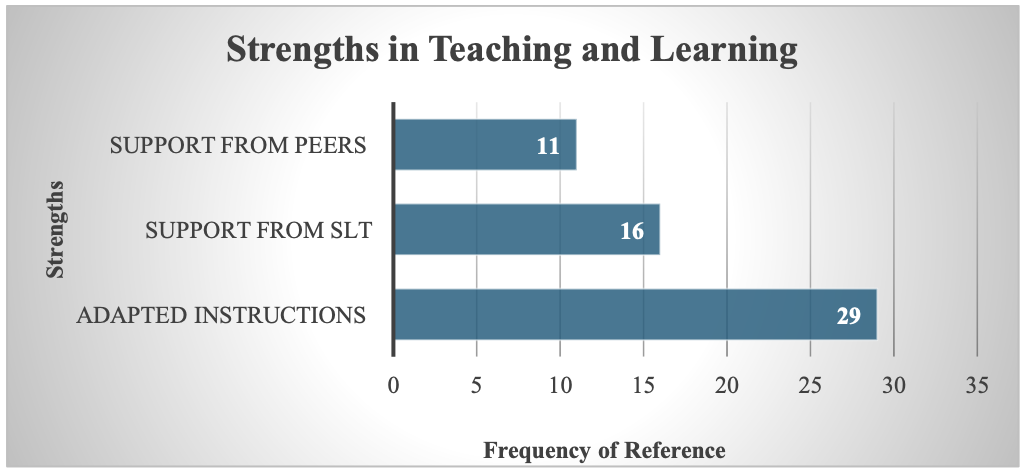
Figure 2: Strengths of the Teaching and Learning Process
When participants were asked why adaptations of instructions were indicated as a current strength by questionnaire participants, the views of interviewees were as follows:
Adaptations of instructions are essential for autistic students, particularly when the curriculum exceeds their abilities. Adaptations help them understand what is going on in the classroom, and they may follow the steps presented (Participant 3: LSE).
When teaching them concepts like Religion, these are too abstract. You have to use a lot of pictures and visuals. You must try to explain concepts to them in the simplest way possible, rather than in the way the other children learn. However, I still think that teachers and LSEs need to determine whether these subjects are relevant to teach learners skills, as I believe they are not necessary for performing daily activities (Participant 5: Head of Department).
I use little balls with colours and put things in them. It depends on the level of the students. If they are learning letters, I put plastic letters in the balls. We take them out from the ball piece, and the child has to identify the letter. I have students who dislike letters. To increase understanding, I put plastic animals in place of the real ones, and we try to say the sounds that the animals make and name them. So, there is learning through these activities (Participant 4: Teacher).
As illustrated in Figure 3, when asked to provide their opinion on the strategies used to support teaching and learning for autistic learners, visual support was the strategy that questionnaire participants frequently mentioned.
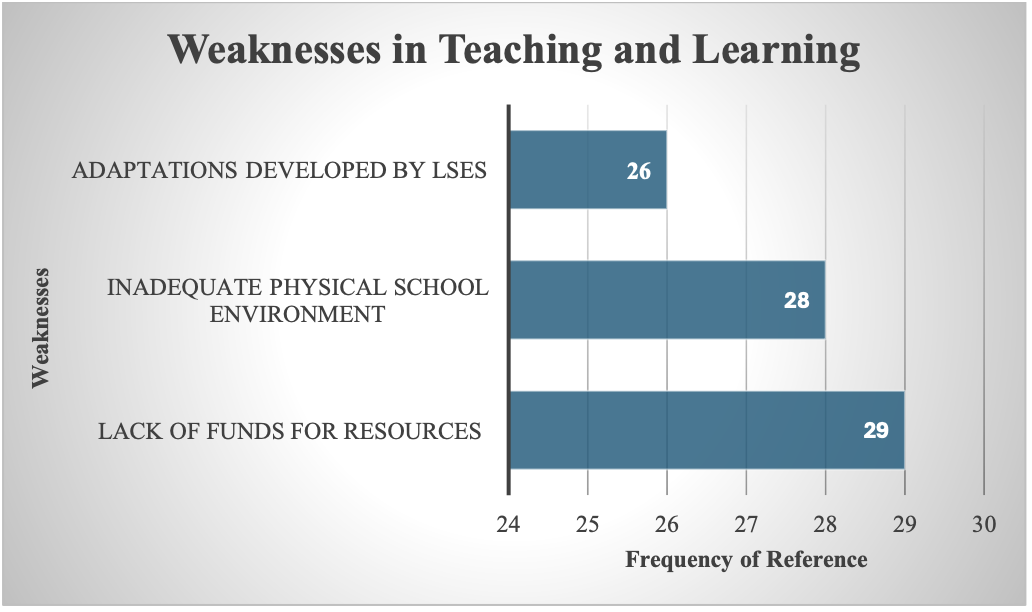
Figure 3: Strategies Applied During the Teaching and Learning Process
Support from the SLT: Interviewees also reported on the role of the SLT as a strength in the teaching and learning process:
Let me tell you, the SLT always plays a vital role in a school. I believe that schools in Malta have SLT members who support staff and students, which facilitates effective inclusion for autistic children. Being on board
means believing in the potential of these children, not just the autistic child, but everyone, because you will be able to help them better and be more informed about their needs (Participant 2: HoS).
It is essential to have the support of the SLT. I have SLT members in my school who are knowledgeable about autism, understand, support, and help me when I need support… I feel less helpless (Participant 3: LSE).
Support from peers: Questionnaire respondents in this study outlined that a current strength enabling them to manage the provision for autistic learners is related to peer support. Several questionnaire respondents outlined that PPPs and buddy systems are advantages that allow them to enhance the teaching and learning process.
When asked about this strength during the interview phase, Participant 2 argued the following:
I feel that PPPs are a key factor because, first, you must see what benefits all students have and not only the autistic child. PPPs allow typical developing peers to work with this child and to communicate with him (Participant 2: HoS).
Participant 3 outlined that PPPs are usually implemented at the beginning of the scholastic year, yet outlined a rather significant challenge to their implementation.
Peer preparation is beneficial when children start school at the beginning of the school year. You prepare their peers and inform them about autism, so they will be aware of what might happen in class or at school. I see that they respond better to the needs of the autistic child following the PPP. However, what I find rather challenging is that we need parents’ consent to carry out this. Some parents approach the school themselves for a PPP. However, based on my experience, most parents refuse when the school requests consent to carry out a PPP, as this involves explaining their child’s condition to other peers (Participant 3: LSE).
Parallel to what Participant 3 outlined on informing neurotypical students regarding behaviours which autistic learners may manifest, Participant 1 argued the following:
You want to try to involve this child by telling the rest of the class what things might be annoying and explaining the difference between a tantrum and a meltdown, which most people are not aware of. Peers will respond positively and not be scared or make fun of the child. However, you still need parental approval to determine whether the class team should share this information with classmates (Participant 1: LSE).
Interview participants also discussed several pros and cons of implementing a buddy system. While one participant argued that, based on her experience, autistic children make progress when having a buddy, another participant argued that peer buddies should be changed regularly.
I like to use the buddy system a lot because some autistic children make social progress. At least they are not alone or constantly accompanied by an adult. They carry out work with their buddy (Participant 3: LSE).
In my view, the buddy system has its advantages and potential challenges. If implemented, it is critical to ensure that peer buddies are rotated regularly, allowing everyone to have equal opportunities to participate and build connections. Based on my experience, I believe that changing the peer buddy daily can help promote fairness and foster a variety of supportive relationships (Participant 1: LSE).
Further to the opinion of Participant 1, Participant 4 outlined that the buddy system not only supports autistic learners during the teaching and learning process but also benefits the assigned buddy.
We had a child with challenging behaviour in the class. He was not on the spectrum. But when I told him to take care of the autistic student, his behaviour changed. He was less impulsive and took care of the student. He helped him pack his bag and do classwork (Participant 4: Teacher).
Weaknesses of the teaching and learning process
Adaptations developed by LSEs: As illustrated in Figure 4, a weakness frequently referred to by questionnaire respondents concerning teaching and learning within the schools’ current limitations was that the LSE makes most of the adaptations developed in the classroom.
Figure 4: Weaknesses of the Teaching and Learning Process
Similar to what questionnaire participants indicated, Participant 1 argued that most adaptations are developed by the LSE rather than the class teacher. This participant outlined the following:
Unfortunately, the mentality is still that the teacher teaches, and the LSE supports. This shift is evident in our school, and collaboration is limited. That is the primary teaching method employed. The teacher provides schemes of work and outlines topics to work on. However, it is up to the LSE to adapt. It is not the ideal situation (Participant 1: LSE).
Further to the views of Participant 1, another LSE participant argued that some teachers tend to see the student with a statement of needs, including one diagnosed with autism, as the LSE’s responsibility and not ‘hers’ [the teacher’s] responsibility. When asked to elaborate, this participant stated that the teacher encouraged the student to approach the LSE for help when the student posed a question, thus further suggesting that the teacher views the responsibility for supporting the student as primarily falling on the LSE.
Lack of resources: Questionnaire participants identified a weakness that is hindering the school from performing at its optimum level in terms of provision for autistic learners in the area of teaching and learning, as the lack of available resources. When putting forward this viewpoint to interviewees in terms of this weakness, one participant reported that during one instance, the parents had to pay for the resources needed in the classroom.
Participant 1 (LSE): For example, we had a child at school who needed blackout curtains due to visual hypersensitivity. The parents of this student had to pay for these curtains. They bought these curtains, the material, and they sewed them. Since the child changes class every year, these curtains had to be taken by the parents to the dry cleaners. The parents had to bring them back to school and hang them in the new class. The windows are not all the same. For example, we had an issue with the curtains being shorter. You know, it is something that, if the parent has the means to keep their child comfortable – I am talking about State Schools here – the child would be very comfortable. However, if they do not have the money…it is an issue.
Researcher: Did the parents discuss this matter with the school before?
Participant 1 (LSE): Yes…but because these curtains and the modification were needed only for their child, they had to pay for it.
Furthermore, this participant argued that if the required resource would benefit only one child, authorities or the school administration would not always be willing to invest in it, even though such a resource would be recommended for the student.
Due to budget constraints, it will not happen for only one child. There is empathy; we understand. The school tries to understand. However, recommendations are not always executed because they depend on the budget, especially when money is involved (Participant 1: LSE).
Another participant outlined that sometimes, the lack of resources does not allow her to help autistic children in class and that despite having been provided with a resource allowance, this is not enough as ‘specific resources such as spiky cushions, coloured printing, fidgets and lamination are expensive’ (Participant 3: LSE).
When this participant was asked to explain further what the outcomes of this are, this participant responded as follows:
I have a limit on how much I can use the resource allowance. When it is maxed out, I stop providing such resources, particularly flashcards, as they require colour printing and lamination. When I ask the school for help, they inform me that LSEs have a resource allowance, so they do not assist (Participant 3: LSE).
However, when asked about this, the views of the HoS and the Head of Department differed, outlining that schools are equipped with resources and that if educators request them, they will be provided with what they require.
I always try and provide the necessary resources for my staff and students. I rarely say ‘no’ (Participant 2: HoS).
Believe me…if educators ask for them [resources], they will be given what they need. I can attest from my own experience that there are rooms full of resources that are never utilised in schools (Participant 5: Head of Department).
Inadequate classroom environment: Several questionnaire respondents noted that the physical environment of the classroom they work in is inadequate for autistic learners and considered it a weakness that hinders the school from providing adequate quality within the teaching and learning process.
When participants were asked about this identified weakness, some interview participants argued that classes are overcrowded and that autistic learners would benefit from environments not being overloaded with material and noise.
Classrooms are overcrowded and stuffed with children. We can barely breathe…it is hot. The environment is what it is…and there are too many children in the classroom. So, it is already very challenging for specific learners, let alone autistic individuals, to function in that environment. I could see the difference when the student worked one-on-one in a less cluttered space outside the classroom. The student was calm. Once the student entered the classroom, which differed from the clinical environment with its distractions, numerous charts on the wall, the teacher explaining, and students shouting and talking over one another, it was a different story (Participant 1: LSE).
Correspondingly, another participant argued that a cluttered environment creates confusion and can be overwhelming for students to such an extent that this participant described it as a ‘hazard’. This participant also indicated that the class is:
An overstimulating environment where we LSEs do not even have the space to conduct work on a one-to-one basis with the student (Participant 3: LSE).
Opportunities for the teaching and learning process
Quiet spaces: As illustrated in Figure 5, an idea that could support change outlined by questionnaire respondents regarding teaching and learning was the creation of quiet areas.
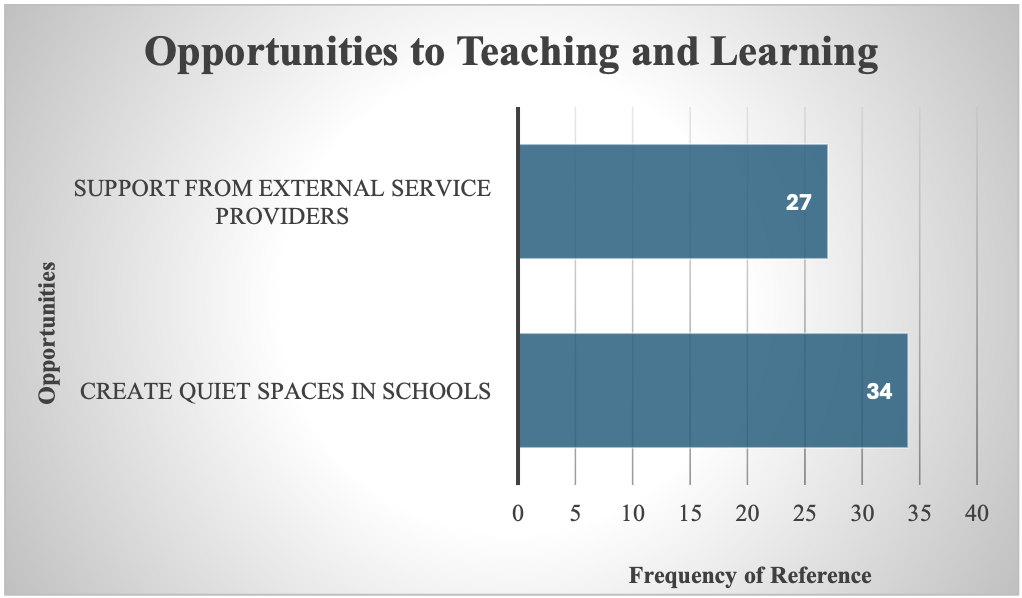
Figure 5: Opportunities for the Teaching and Learning Process
When interviewees were asked about the opportunity related to quiet spaces, one Participant argued that if there were room in the classroom, a separate, quiet area may be easily made available.
One can easily create a quiet area if there is space available in the classroom. Some space, not a huge area, just a small corner with cushions. This may help when children need to retreat for some quiet time due to the overwhelming environment that the class may create (Participant 3: LSE).
An external factor related to how the school’s physical environment could be improved was for education authorities to invest in refurbishing schools to make them more autism friendly.
If you have an autism-friendly school, it will be of great help. Educational authorities need to invest more in this. For example, lighting needs to be professionally designed to be more autism-friendly (Participant 5: Head of Department).
A HoS argued that although schools are to a certain extent ‘equipped’, more work is needed for them to be considered ‘autism-friendly’. This participant argued that for the school to be autism-friendly, the following needs to be in place:
Autistic children need certain specialised rooms. We had these, but the MEYR told us to close them down. Students need access to quiet rooms, dark rooms, multisensory rooms, or other quiet spaces, as the noise in the classroom can be stressful for them. We are not providing these areas in schools. I have been in administration for six years but have been in the education sector for twenty years. A lot has been done, but still, schools do not provide the proper setup for autistic children. I am not saying that they are entirely excluded because the severity of the condition also plays a role in this. However, I do not think we are yet well-equipped to consider our schools as autism-friendly; hence, this would be a good opportunity to improve children’s schooling experience (Participant 2: HoS).
Participants’ views regarding how quiet spaces may be designed were discussed during the interview.
The school may have a withdrawal room for students struggling to stay in class. If a classroom activity is too loud and disturbing, the child may be allowed to leave and carry out work in the withdrawal room (Participant 1: LSE).
According to Participant 4, quiet rooms should be designed as follows:
I would say that there could be a quiet place in the school library, perhaps with a sofa and a computer (Participant 4: Teacher).
Contrastingly, one Participant argued that quiet spaces should not necessarily be set up outside the classroom. This participant outlined the following:
You could create a quiet area in the classroom where the child can retreat whenever they feel the need to do so. I disagree that the child leaves the classroom (Participant 3: LSE).
A related view was shared by Participant 5, who agreed that quiet spaces should be created in the classroom.
I prefer an area in the classroom. I disagree with the quiet room outside the class because students are often taken there, and it resembles a playroom rather than a designated quiet space. Children view it as a source of free time rather than engaging in one-to-one sessions with LSEs or trying to calm down (Participant 5: Head of Department).
Support from external service providers: Regarding external opportunities that have the potential to improve provision, questionnaire respondents highlighted the support of service providers such as the Autism Spectrum Support Team (ASST), Speech and Language Therapists, and Psychologists as part of the teaching and learning process for autistic learners.
Two interviewees mentioned that support from external service providers could be quite helpful in implementing more effective strategies. An LSE participant commented as follows:
Services like ASST, speech therapy, and the help of psychologists are fundamental. It is imperative that everyone pulls the same rope and works together. LSEs must take on board recommendations provided by autism specialists. They could help with strategies and suggestions about resources. I have never seen psychologists intervene in schools … at least with autistic learners. I believe the service is understaffed, and since they receive numerous referrals for assessments, they lack the time to implement interventions with children (Participant 3: LSE).
There are dedicated people whose expertise lies in how to include these learners and provide us with strategies to address their needs. I always try and follow what the child’s speech therapist suggests. The child has regular sessions, and I continue to implement the recommendations that were carried out in the clinic. This helps me overcome some of the challenges I may encounter during the support process. However, I wish that psychologists could also help us with interventions, not just in carrying out assessments and providing reports (Participant 1: LSE).
Threats to the teaching and learning process
Unclear perspectives on inclusion: As illustrated in Figure 6, some participants indicated that differing perspectives about inclusive education could threaten the teaching and learning process for autistic learners.
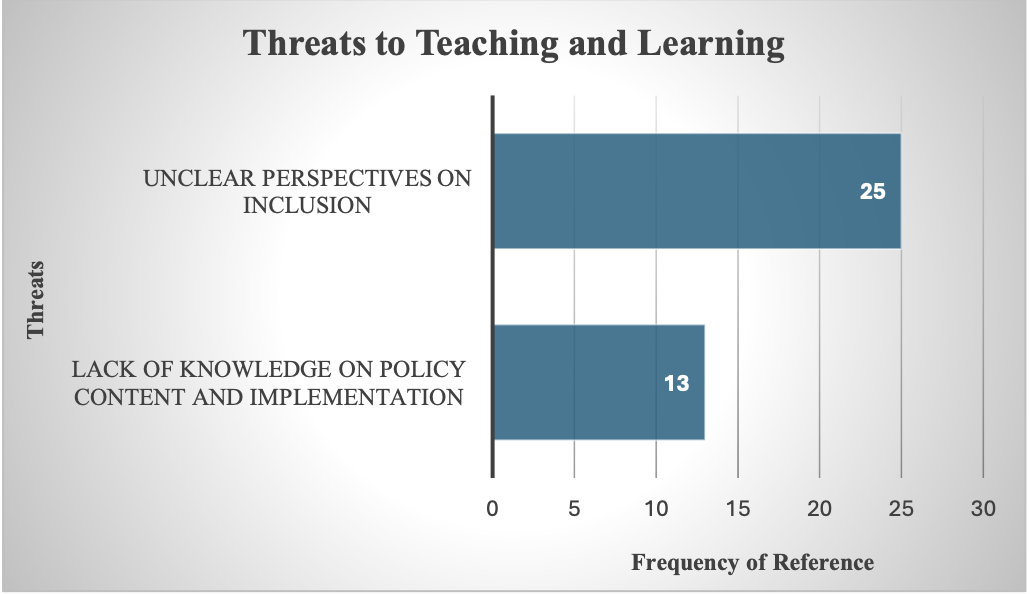
Figure 6: Threats to the Teaching and Learning Process
Interview participants also had similar views when asked about their perspectives on this threat. One participant outlined that although progress has been noted regarding schools having an inclusive attitude towards autistic learners, they feel that this is not always the case:
Although we are moving towards inclusion, I cannot say that all educators have instilled this attitude. Everyone needs to be on the same wavelength. For me, inclusion means having all children in the same classroom. The LSE will provide support where needed (Participant 4: Teacher).
Lack of knowledge on policy content and implementation: A threat that questionnaire participants in this research identified as potentially hindering the teaching and learning process is the issue of unclear understanding of what policies entail. Specifically, when asked about this threat, interview participants discussed that despite having heard about the development of an Inclusion Policy (MEYR, 2022a), they had no idea what this entails or how it should be implemented. When asked to elaborate on the latter, interviewees had the following perspectives:
I am aware that an inclusion policy is being implemented soon. However, it is unclear how this should be implemented in schools, so educators may delay the change (for the better) when supporting children. I still need guidance on its content and how to guide my staff (Participant 2: HoS).
I am unsure of my role as I have not yet been given information about it (Participant 3: LSE).
Discussion
The findings from this research highlight significant SWOTs in terms of the teaching and learning environment for autistic learners within mainstream schools. The existing strengths and opportunities identified can be strategically leveraged to overcome many of these barriers and threats, thereby paving the way for more valid and sustainable inclusion.
One prevalent weakness is resource scarcity, seeing educators frequently relying on personal funds and parental contributions to acquire essential materials such as sensory tools, visual aids, and other adaptive resources, echoing the findings of previous studies worldwide (Anglim, Prendeville & Kinsella, 2017; Cappe et al., 2021; Hodges et al., 2020; Leonard & Smyth, 2022; Lindsay et al., 2013; Raudeliūnaitė & Steponėnienė, 2020; Silveira-Zaldivara & Curtis, 2019; Van Tran et al., 2020; Yazici & McKenzie, 2020). This directly hinders their capacity to implement individualised interventions and environmental modifications. A key opportunity, however, lies in the leadership support cited across the literature (Hodges et al., 2020; Iadarola et al., 2015; Lüddeckens, Anderson & Östlund, 2022; Symes & Humphrey, 2011) and within the findings of this research. Such support can be leveraged to advocate for increased systemic funding and resource allocation. If positioned as interactions happening at a mesosystem level, this would promote an egalitarian process whereby learners would be provided with what they merit regarding their right to access quality education. Hence, schools with proactive leadership, as affirmed by empirical data, can develop strategic plans to secure funding for sensory rooms, quiet areas, and specialised materials, thereby aligning with Anderson, Boyle, and Deppeler’s (2014) ecological framework, which emphasises support at micro, macro, and exo levels. These may also help mitigate the issues related to overcrowded and noisy classrooms. This coordinated approach can transform infrastructural deficits into functional, accessible environments that support sensory regulation and active and increased participation.
Additionally, at an exo and a macro level, consideration regarding reducing class sizes from a ministerial level would also be another opportunity (Güleç-Aslan, 2020; Hersh & Elley, 2019; Jones, Hanley & Riby, 2020; Mucharreira, Cabrito & Capucha, 2019; Roberts & Simpson, 2016). Overcrowded classrooms diminish the capacity for individualised support and hinder effective inclusion. Therefore, smaller classrooms could significantly improve the delivery of tailored support, thus reinforcing the emphasis made by Anderson, Boyle, and Deppeler (2014) on the environment shaping support at a micro-level system. Such support at a microsystem level might also help better implement PPPs and buddy systems given that these are approaches foster empathy, social skills and mutual understanding (Crompton et al., 2022; Hersh & Elley, 2019; Hodges et al., 2020; Lindsay et al., 2014; Xuereb & Lawson, 2019), thus transforming the school into a more inclusive microsystem.
A further weakness, aligning with literature (Breyer, Lederer & Gasteiger-Klicpera, 2021; Giangreco, 2013; Stephenson & Webster, 2019), lies in the unclear roles of staff, predominantly the reliance on LSEs to develop and deliver adaptations, sometimes without sufficient collaboration or guidance from the class teacher. This fragmentation compromises the consistency and quality of support. The literature advocates for clearly defined roles and collaborative practices (Sciberras & Schembri, 2020), and therefore, the opportunity to promote shared responsibility by fostering a school culture rooted in team-based support, driven by strong leadership commitment, may help mitigate this fragmentation. Effectively integrating external professionals, such as psychologists, speech therapists, and autism specialists, into the school routine can support educator capacity and ensure that support is systematic and consistent, particularly when educators doubt their own abilities when implementing specific approaches. This aligns with the framework of Anderson, Boyle, and Deppeler (2014), which posits that external resources at an exosystem level permeate and are thus a critical part of the ecological system.
The threat posed by vague inclusion policies and educators’ limited understanding of their content can also be mitigated through targeted professional development initiatives. The literature highlights the importance of ongoing training (Felder, 2018; Fisher & Pleasant, 2011; Hodges et al., 2020; Iadarola et al., 2015; Krischler, Powell, & Pit-Ten Cate, 2019; Lüddeckens, Anderson & Östlund, 2022; Raudeliūnaitė & Steponėnienė, 2020; Symes & Humphrey, 2011). The strength here is that educators often recognise the need for more explicit guidance and more practical support, as indicated in the empirical data. Schools and policymakers can respond by developing comprehensive and accessible policy dissemination strategies, thereby supporting the assertion of Anderson, Boyle, and Deppeler (2014) that organisational culture and clear communication are fundamental.
Conclusions and recommendations
This study indicates the SWOTS analysis in the teaching and learning environment of autistic learners within Maltese school settings. Its findings emphasise the need for improvements across multiple ecological levels. The findings reveal that schools often lack sufficient support from an exosystem level, which hampers effective inclusion and results in autistic learners being placed in mainstream settings without tailored interventions. The uncertainty surrounding inclusion policies and educators’ roles further exacerbates these issues, often limiting their ability to provide appropriate support. While adaptations such as visual aids and step-by-step instructions are strengths within the microsystem, educators frequently feel unprepared due to inadequate autism-specific training in teacher preparation programmes. This unpreparedness can lead to negative perceptions of learners and decreased acceptance.
To address these challenges, future efforts should focus on enhancing resource availability and promoting collaboration among teachers, LSEs, and members of the SLT to ensure continuity in support strategies. Schools should maintain resource inventories with clear descriptions of the use and intended purposes of these resources, facilitating their efficient utilisation and sharing. Creating autism-friendly environments, such as quiet rooms and sensory-friendly modifications, can significantly improve learning experiences. Strengthening the role of autism specialists and psychologists is crucial for delivering targeted interventions and supporting both educators.
Policymakers and educational authorities must prioritise funding and training initiatives to enable schools to develop inclusive, supportive settings. Organising regular professional development sessions on the inclusion of autistic learners and clarifying roles and responsibilities will foster a more unified approach. Ultimately, a holistic strategy involving systemic support, environmental adaptations, and specialised personnel is critical for improving learning outcomes and the overall well-being of autistic learners in mainstream schools.
References
- Abed, S., Jameel, K., & Ahmad, A. (2021). Inclusion of students with autism spectrum disorder in the Jordanian regular classrooms: Teachers’ perspectives. Specijalna edukacija i rehabilitacija, 20(2), 79-91.
- Adewumi, T. M., & Mosito, C. (2019). Experiences of teachers in implementing inclusion of learners with special education needs in selected Fort Beaufort District primary schools, South Africa. Cogent Education, 6(1), 1-20.
- Alsaedi, R. H., Carrington, S., & Watters, J. J. (2020). Behavioral and neuropsychological evaluation of executive functions in children with autism spectrum disorder in the gulf region. Brain Sciences, 10(2), 1-21
- Anderson, J., Boyle, C., & Deppeler, J. (2014). The ecology of inclusive education: Reconceptualising Bronfenbrenner. In Equality in education: Fairness and inclusion (pp. 23–34). Rotterdam: Sense Publishers.
- Anglim, J., Prendeville, P., & Kinsella, W. (2018). The self-efficacy of primary teachers in supporting the inclusion of children with autism spectrum disorder. Educational psychology in practice, 34(1), 73–88.
- Ayuningtyas, F., Venus, A., Suryana, A., & Yustikasari, Y. (2021). Using e-social story to improve the social behavior of children with Autism during the COVID-19 pandemic at Rumah Autis Depok, Indonesia. Library Philosophy and Practice, 4898, 1-16.
- Baio, J., Wiggins, L., Christensen, D. L., Maenner, M. J., Daniels, J., Warren, Z., Kurzius-Spencer, M., Zahorodny, W., Robinson Rosenberg, C., White, T., Durkin, M. S., Imm, P., Nikolaou, L., Yeargin-Allsopp, M., Lee, L. C., Harrington, R., Ballantyne, C., Gillespie-Smith, K. and Wilson, C (2021). A comparison of knowledge and experience of autism spectrum disorder among teachers in the United Kingdom and China, International Journal of Disability, Development and Education, 68(2), 160–171.
- Ballantyne, C., Wilson, C., Toye, M. K., & Gillespie-Smith, K. (2024). Knowledge and barriers to inclusion of ASC pupils in Scottish mainstream schools: A mixed methods approach. International Journal of Inclusive Education, 28(9), 1838-1857. Bassette, L., Shurr, J., Bouck, E., Park, J., & Cremeans, M. (2019). Comparison of concrete and app-based manipulatives to teach subtraction skills to elementary students with autism. Education and Training in Autism and Developmental Disabilities, 54(4), 391–405.
- Benallie, K. J., McClain, M. B., Bakner, K. E., Roanhorse, T., & Ha, J. (2021). Executive functioning in children with ASD+ ADHD and ASD+ ID: A systematic review. Research in Autism Spectrum Disorders, 86, 1-21
- Bernhardt, V., & Geise, B. (2014). From questions to actions: Using questionnaire data for continuous school improvement. Routledge.
- Bolourian, Y., Losh, A., Hamsho, N., Eisenhower, A., & Blacher, J. (2021). General education teachers’ perceptions of autism, inclusive practices, and relationship-building strategies. Journal of Autism and Developmental Disorders, 1–14.
- Breyer, C., Lederer, J., & Gasteiger-Klicpera, B. (2021). Learning and support assistants in inclusive education: a transnational analysis of assistance services in Europe. European Journal of Special Needs Education, 36(3), 344-357.
- Bronfenbrenner, U. (1979). The ecology of human development: Experiments by nature and design. Harvard University Press.
- Byrne, B. (2022). How inclusive is the right to inclusive education? An assessment of the UN convention on the rights of persons with disabilities’ concluding observations. International Journal of Inclusive Education, 26(3), 301–318.
- Cappe, E., Poirier, N., Engelberg, A., & Boujut, E. (2021). Comparison of teachers in France and in Quebec working with autistic students: Self-efficacy, stress, social support, coping, and burnout. Teaching and Teacher Education, 98, 103-244
- Carter, E. W., Gustafson, J. R., Sreckovic, M. A., Dykstra Steinbrenner, J. R., Pierce, N. P., Bord, A., … & Mullins, T. (2017). Efficacy of peer support interventions in general education classrooms for high school students with autism spectrum disorder. Remedial and Special Education, 38(4), 207–221.
- Carter, M., Stephenson, J., & Webster, A. (2019). A survey of professional tasks and training needs of teaching assistants in New South Wales mainstream public schools. Journal of Intellectual & Developmental Disability, 44(4), 447–456.
- Che Ahmad, C. N., and Amirul, N. J. (2017). The effect of the physical learning environment on students’ health, enjoyment and learning. Jurnal Pendidikan Sains Dan Matematik Malaysia, 7(1), 47–55.
- Clark, M., Adams, D., Roberts, J., & Westerveld, M. (2020). How do teachers support their students on the autism spectrum in Australian primary schools?. Journal of Research in Special Educational Needs, 20(1), 38–50.
- Cloninger, C.J. (2017) Designing collaborative educational services, In Orelove, F. P., Sobsey, D., and Gilles, D. L. (Eds.), Educating Students with Severe and Multiple Disabilities: A Collaborative Approach (5th ed.). Baltimore, MD: Brookes Publishing, pp. 10-44
- Cohen, L., Manion, L. and Morrison, K. (2018) Research Methods in Education. London and New York: Routledge.
- Cooper, K., Russell, A., Calley, S., Chen, H., Kramer, J., & Verplanken, B. (2022). Cognitive processes in autism: Repetitive thinking in autistic versus non-autistic adults. Autism, 26(4), 849–858.
- Creswell, J. (2014) A Concise Introduction to Mixed Methods Research. Thousand Oaks, CA: Sage Publications, Inc
- Crompton, C. J., Hallett, S., Axbey, H., McAuliffe, C., & Cebula, K. (2023). ‘Someone like-minded in a big place’: Autistic young adults’ attitudes towards autistic peer support in mainstream education. Autism, 27(1), 76–91.
- Curtin, A., & Long, S. (2021). Using visual schedules to support children with autism spectrum disorder. Learn: Journal of the Irish Learning Support Association, 42, 61–70.
- Daly, P., Ring, E., Egan, M., Fitzgerald, J., Griffin, C., Long, S., McCarthy, E., Moloney, M., O’Brien, T., O’Byrne, A.., O’Sullivan, S., Ryan, M., Wall, E., Madden, R. and Gibbons, S. (2016) An Evaluation of Education Provision for Students with Autism Spectrum Disorder in Ireland. Trim: NCSE Data Protection Act (Cap. 586) (2018). https://legislation.mt/eli/cap/586/eng/pdf
- Demetriou, E. A., DeMayo, M. M., & Guastella, A. J. (2019). Executive function in autism spectrum disorder: history, theoretical models, empirical findings, and potential as an endophenotype. Frontiers in Psychiatry, 10, 753.
- Dijkhuis, R., de Sonneville, L., Ziermans, T., Staal, W., & Swaab, H. (2020). Autism symptoms, executive functioning and academic progress in higher education students. Journal of Autism and Developmental Disorders, 50, 1353-1363.
- Dillenburger, K., McKerr, L., Jordan, J. A., & Keenan, M. (2016). Staff training in autism: The one-eyed wo/man…. International Journal of Environmental Research and Public Health, 13(7), 1-7
- Dukpa, D., Carrington, S., & Mavropoulou, S. (2024). Exploring Bhutanese teachers’ knowledge and use of strategies for the inclusion of students on the autism spectrum. International Journal of Inclusive Education, 28(7), 1052–1075.
- Dyer, R. (2022). Successful inclusion of students with autism spectrum disorder. International Journal of Technology and Inclusive Education, 11(1), 1712-1716.
- Engelbrecht, P., Nel, M., Smit, S., & van Deventer, M. (2015). The idealism of education policies and the realities in schools: the implementation of inclusive education in South Africa. International Journal of Inclusive Education, 20(5), 520–535.
- European Agency for Special Needs and Inclusive Education (2014) Education for All: Special Needs and Inclusive Education in Malta, External Audit Report. Denmark: European Agency for Special Needs and Inclusive Education.
- Farrugia, J.M. (2013). The use or misuse of biomedical treatment approaches to autism. Malta Medical Journal, 25(1), 8-14
- Fatima, S. (2019). ‘Executive Dysfunctions in Autism Spectrum Disorders’ In Ardila, A., Fatima, S., Rosselli, M. (eds) Dysexecutive Syndromes. Springer, Cham. pp. 61-82
- Felder, F. (2018). The value of inclusion. Journal of philosophy of education, 52(1), 54–70.
- Fisher, M., & Pleasants, S. L. (2012). Roles, responsibilities, and concerns of paraeducators: Findings from a statewide survey. Remedial and Special Education, 33(5), 287–297.
- Forlin, C. (2006). Inclusive education in Australia ten years after Salamanca. European Journal of Psychology of Education, 21, 265–277.
- Fox, R. A., Leif, E. S., Moore, D. W., Furlonger, B., Anderson, A., & Sharma, U. (2022). A systematic review of the facilitators and barriers to the sustained implementation of school-wide positive behavioral interventions and supports. Education and Treatment of Children, 45(1), 105–126.
- Giangreco, M. F. (2013). Teacher assistant supports in inclusive schools: Research, practices and alternatives. Australasian Journal of Special Education, 37(2), 93-106.
- Goñi-Cervera, J., Cañadas, M. C., & Polo-Blanco, I. (2022). Generalisation in students with autism spectrum disorder: an exploratory study of strategies. ZDM–Mathematics Education, 54(6), 1333-1347.
- Grandin, T. (1995) Thinking in Pictures and Other Reports from My Life with Autism. Vintage Press: New York
- Güleç-Aslan, Y. (2020). Experiences of Turkish preschool teachers for including children with autism spectrum disorders: Challenges faced and methods used. International Journal of Psychology and Educational Studies, 7(2), 37-49.
- Gülveren, A. Ç., Özkan, Ş. Y., & Öncül, N. (2022). The examination of special education teachers’ views on teaching play skills to children with autism spectrum disorders. Eğitimde Nitel Araştırmalar Dergisi, 29, 56-77.
- Gϋrel, E. and Tat, M. (2017) SWOT analysis: A theoretical review, Journal of International Social Research, 10(51), 994–1006.
- Hersh, M., & Elley, S. (2019). Barriers and enablers of inclusion for young autistic learners: lessons from the Polish experiences of teachers and related professionals. Advances in Autism, 5(2), 117–130.
- Hodges, A., Joosten, A., Bourke-Taylor, H., & Cordier, R. (2020). School participation: The shared perspectives of parents and educators of primary school students on the autism spectrum. Research in developmental disabilities, 97, 1-12
- Holmes, S. C., & Butcher, J. (2019). Educational leaders can lead the way for increased academic achievement for students on the autism spectrum. School Leadership Review, 15(1), 1-22
- Iadarola, S., Hetherington, S., Clinton, C., Dean, M., Reisinger, E., Huynh, L., … & Kasari, C. (2015). Services for children with autism spectrum disorder in three, large urban school districts: Perspectives of parents and educators. Autism, 19(6), 694–703.
- Idris, A. B., Abdulrahim, R., Al-Mamari, W., Shih, A., & Kantaris, M. (2022). A SWOT analysis of parent-mediated intervention for children with autism spectrum disorder: Oman as a Regional Model. International Journal of Developmental Disabilities, 68(5), 773–780.
- Ivankova, N. V., Creswell, J. W., & Stick, S. L. (2006). Using mixed-methods sequential explanatory design: From theory to practice. Field Methods, 18(1), 3–20.
- Jellinek, E., Keller-Margulis, M., Mire, S. S., & Fan, W. (2023). Pre-service teachers’ perspectives on transition to kindergarten practices for autistic children. Early Childhood Education Journal, 51(7), 1205-1214.
- Jimenez, B. A., & Stanger, C. (2017). Math manipulatives for students with severe intellectual disability: A survey of special education teachers. Research, Advocacy, and Practice for Complex and Chronic Conditions, 36(1), 1-12.
- Johnson, R.B and Christensen, L. (2013) Educational Research: Quantitative, Qualitative, and Mixed Approaches. Thousand Oaks: SAGE Publications
- Jones, E. K., Hanley, M., & Riby, D. M. (2020). Distraction, distress and diversity: Exploring the impact of sensory processing differences on learning and school life for pupils with autism spectrum disorders. Research in Autism Spectrum Disorders, 72, 1-12
- Kapp, S. K., Gillespie-Lynch, K., Sherman, L. E., & Hutman, T. (2013). Deficit, difference, or both? Autism and neurodiversity. Developmental Psychology, 49(1), 59.
- Kenny, L., Hattersley, C., Molins, B., Buckley, C., Povey, C., & Pellicano, E. (2016). Which terms should be used to describe autism? Perspectives from the UK autism community. Autism, 20(4), 442–462.
- King, A. M., Brady, K. W., & Voreis, G. (2017). “It’s a blessing and a curse”: Perspectives on tablet use in children with autism spectrum disorder. Autism & Developmental Language Impairments, 2, 1-12
- Krischler, M., Powell, J. J., & Pit-Ten Cate, I. M. (2019). What is meant by inclusion? On the effects of different definitions on attitudes toward inclusive education. European Journal of Special Needs Education, 34(5), 632–648.
- Kurth, J. A., Morningstar, M. E., & Kozleski, E. B. (2014). The persistence of highly restrictive special education placements for students with low-incidence disabilities. Research and Practice for Persons with Severe Disabilities, 39(3), 227–239.
- Leonard, N. M., & Smyth, S. (2022). Does training matter? Exploring teachers’ attitudes towards the inclusion of children with autism spectrum disorder in mainstream education in Ireland. International Journal of Inclusive Education, 26(7), 737–751.
- Lessner Listiakova, I., & Preece, D. (2020). In-service education and training for teachers regarding autism spectrum disorder: a review of the literature. Annales Universitatis Paedagogicae Cracoviensis: Studia Psychologica, 12, 177–199.
- Lindsay, S., Proulx, M., Thomson, N., & Scott, H. (2013). Educators’ challenges of including children with autism spectrum disorder in mainstream classrooms. International Journal of Disability, Development and Education, 60(4), 347–362.
- Lindsay, S., Proulx, M., Scott, H., & Thomson, N. (2014). Exploring teachers’ strategies for including children with autism spectrum disorder in mainstream classrooms. International Journal of Inclusive Education, 18(2), 101–122.
- Lloyd, E. (2019). Creating ‘Autism Friendly’ education in an inclusive mainstream primary school, Good Autism Practice (GAP), 20(2), pp. 13–26.
- Lüddeckens, J., Anderson, L., & Östlund, D. (2021). Principals’ perspectives of inclusive education involving students with autism spectrum conditions–a Swedish case study. Journal of Educational Administration, 60(2), 207-221.
- Lyall, K., Croen, L., Daniels, J., Fallin, M. D., Ladd-Acosta, C., Lee, B. K., … & Newschaffer, C. (2017). The changing epidemiology of autism spectrum disorders. Annual Review of Public Health, 38(1), 81–102.
- Majoko, T. (2016). Inclusion of children with autism spectrum disorders: Listening and hearing to voices from the grassroots. Journal of Autism and Developmental Disorders, 46, 1429–1440.
- Marley, S. C., & Carbonneau, K. J. (2014). Future directions for theory and research with instructional manipulatives: Commentary on the special issue papers. Educational Psychology Review, 26, 91-100.
- Ministero dell’Istruzione (2020) Inclusione e nuovo PEI. Italia: Ministero dell’Istruzione.
- Ministry for Justice, Culture and Local Government, Persons Within the Autism Spectrum (Empowerment) Act (Act XXVI of 2016) (Cap. 557): Malta.
- Mucharreira, P. R., Cabrito, B. G., & Capucha, L. (2019). Net costs of class-size reduction: the portuguese case. Cadernos de Pesquisa, 49, 164-181.
- Nthibeli, M., Griffiths, D., & Bekker, T. (2022). Teaching learners with autism in the South African inclusive classroom: Pedagogic strategies and possibilities. African Journal of Disability, 11, 1-12
- Odom, S. L. (2019). Peer-based interventions for children and youth with autism spectrum disorder: History and effects. School Psychology Review, 48(2), 170–176.
- Perrault, E. K., & Keating, D. M. (2018). Seeking ways to inform the uninformed: Improving the informed consent process in online social science research. Journal of Empirical Research on Human Research Ethics, 13(1), 50–60.
- Raudeliūnaitė, R., & Steponėnienė, E. (2020). Challenges for primary school teachers in ensuring inclusive education for children with autism spectrum disorders. Pedagogika/Pedagogy, 138(2), 209-225.
- Ravet, J. (2018). ‘But how do I teach them?’: Autism & initial teacher education (ITE). International Journal of Inclusive Education, 22(7), 714–733.
- Roberts, J., & Simpson, K. (2016). A review of research into stakeholder perspectives on inclusion of students with autism in mainstream schools. International Journal of Inclusive Education, 20(10), 1084–1096.
- Russell, A., Scriney, A., & Smyth, S. (2023). Educator attitudes towards the inclusion of students with autism spectrum disorders in mainstream education: A systematic review. Review Journal of Autism and Developmental Disorders, 10(3), 477–491.
- Russell, G., Stapley, S., Newlove-Delgado, T., Salmon, A., White, R., Warren, F., … & Ford, T. (2022). Time trends in autism diagnosis over 20 years: a UK population-based cohort study. Journal of Child Psychology and Psychiatry, 63(6), 674–682.
- Santos, M. I., Breda, A., & Almeida, A. M. (2017). Design approach of mathematics learning activities in a digital environment for children with autism spectrum disorders. Educational Technology Research and Development, 65, 1305–1323.
- Schembri, H., & Sciberras, C. (2020). Ethical considerations and limitations when researching education in small island states. SENTIO. 2, 42-49
- Schembri, H., & Sciberras, C. (2022). A practical guide to conduct research in schools in Malta: Reflections, implications and suggestions. The Educator, 7, 55–77.
- Sciberras, C. (2018). Moving towards an evidence-based practice approach? Exploring the strategies used as part of the support programmes for students with autism in primary mainstream, state-funded schools in Malta. Malta Review of Educational Research, 12(2), 220-237.
- Sciberras, C. (2019). Applying a SWOT analysis to inform educational provision of learners on the autism spectrum. Advances in Autism, 5(4), 226-230.
- Sciberras, C., & Schembri, H. (2020). A COACTION model to explore remote teacher and learning support educator collaboration during COVID19 school closure in Malta. Malta Review of Educational Research, 14(2), 183–210.
- Shaari, M. F., & Ahmad, S. S. (2016). Physical learning environment: Impact on children school readiness in Malaysian preschools. Procedia-Social and Behavioral Sciences, 222, 9–18.
- Shah, P. J., Boilson, M., Rutherford, M., Prior, S., Johnston, L., Maciver, D., & Forsyth, K. (2022). Neurodevelopmental disorders and neurodiversity: Definition of terms from Scotland’s National Autism Implementation Team. The British Journal of Psychiatry, 221(3), 577–579.
- Silveira-Zaldivar, T., & Curtis, H. (2019). ” I’m Not Trained for This!” and Other Barriers to Evidence-Based Social Skills Interventions for Elementary Students with High Functioning Autism in Inclusion. International Electronic Journal of Elementary Education, 12(1), 53–66.
- Simó-Pinatella, D., Günther-Bel, C., & Mumbardó-Adam, C. (2023). Addressing challenging behaviours in children with autism: A qualitative analysis of teachers’ experiences. International Journal of Disability, Development and Education, 70(1), 18–31.
- Stahl, N. A., & King, J. R. (2020). Expanding approaches for research: Understanding and using trustworthiness in qualitative research. Journal of Developmental Education, 44(1), 26–28.
- Strunk, J., Leisen, M., & Schubert, C. (2017). Using a multidisciplinary approach with children diagnosed with autism spectrum disorder. Journal of Interprofessional Education & Practice, 8, 60-68.
- Sulek, R., Trembath, D., Paynter, J., & Keen, D. (2019). Empirically supported treatments for students with autism: General education teacher knowledge, use, and social validity ratings. Developmental Neurorehabilitation, 22(6), 380–389.
- Symes, W., & Humphrey, N. (2011). School factors that facilitate or hinder the ability of teaching assistants to effectively support pupils with autism spectrum disorders (ASDs) in mainstream secondary schools. Journal of Research in Special Educational Needs, 11(3), 153–161.
- Tanti Burlo’, E. (2016) in Ministry for Justice, Culture and Local Government Persons Within the Autism Spectrum (Empowerment) Act (Act XXVI of 2016) (Cap. 557): Malta
- Tynan, F., & Davy, K. (2021). An exploration of teachers’ perceptions of how the classroom environment can support pupils with autism spectrum disorder (ASD) in the mainstream primary school. REACH: Journal of Inclusive Education in Ireland, 34(1).
- UNESCO (1994) The Salamanca Statement. Madrid, Spain: United Nations Educational, Scientific and Cultural Organization.
- UNESCO (1996) The International Commission on Education for the Twenty-first Century Learning: The Treasure Within. Spain: UNESCO.
- UNESCO (2005) Guidelines for Inclusion: Ensuring Access to Education for All, Paris, France: United Nations Educational, Scientific and Cultural Organization.
- United Nations (UN) (2016) Convention on the Rights of Persons with Disabilities www.un.org/development/desa/disabilities/convention-on-the-rights-of-persons-with-disabilities.html
- Van Der Steen, S., Geveke, C. H., Steenbakkers, A. T., & Steenbeek, H. W. (2020). Teaching students with autism spectrum disorders: What are the needs of educational professionals?.Teaching and Teacher Education, 90, 1-9
- van Kessel, R., Hrzic, R., Cassidy, S., Brayne, C., Baron-Cohen, S., Czabanowska, K., & Roman-Urrestarazu, A. (2021). Inclusive education in the European Union: A fuzzy-set qualitative comparative analysis of education policy for autism. Social Work in Public Health, 36(2), 286-299.
- Van Tran, C., Pham, M. M., Mai, P. T., Le, T. T., & Nguyen, D. T. (2020). Inclusive education for students with autism spectrum disorder in elementary schools in Vietnam: The current situation and solutions. International Electronic Journal of Elementary Education, 12(3), 265–273.
- Vincent, J., & Ralston, K. (2020). Trainee teachers’ knowledge of autism: Implications for understanding and inclusive practice. Oxford Review of Education, 46(2), 202–221.
- Xuereb, K., & Lawson, W. B. (2019). Reframing autism in a mainstream classroom via the constructs of inclusion and stigma. Journal of Intellectual Disability-Diagnosis and Treatment, 7(3), 57–67.
- Yazici, M. S., & McKenzie, B. (2020). Strategies used to develop socio-communicative skills among children with autism in a Turkish special education school and implications for development of practice. International Journal of Disability, Development and Education, 67(5), 515-535.